What Is Za’atar?
Za’atar is more than a spice blend — it’s a cornerstone of Middle Eastern food culture. The word ‘za’atar’ refers both to a wild herb native to the Levant and to the blend made from it. Traditionally, za’atar combines dried thyme or oregano, toasted sesame seeds, sumac, and salt. The exact balance varies by region, family, and season, which is part of what makes za’atar so personal.
A Blend With Deep Roots
Za’atar has been used for thousands of years across the Levant, from Palestine and Jordan to Lebanon and Syria. It is deeply tied to daily life — eaten at breakfast with olive oil and bread, packed into school lunches, and shared across generations. Za’atar isn’t reserved for special occasions; it’s everyday food with deep meaning.
What Does Za’atar Taste Like?
pZa’atar is earthy, herbal, nutty, and gently tangy. The herbs bring warmth, sesame adds richness, and sumac provides brightness. When well-balanced, no single ingredient dominates — instead, the flavors work together in harmony.
How Za’atar Is Made
Quality za’atar begins with the herbs. Thyme or oregano is harvested at peak aroma and dried slowly to preserve essential oils. Sesame seeds are lightly toasted for depth, and sumac is added for acidity. The blend is mixed gently to maintain texture and prevent bitterness.
Traditional Ways to Eat Za’atar
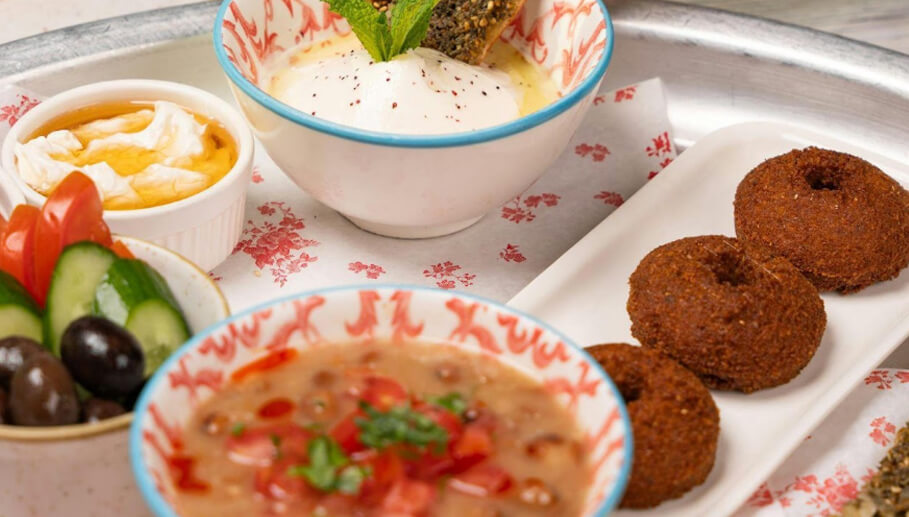
The most classic preparation is mixing za’atar with olive oil and spreading it on flatbread, known as manakish. It’s also sprinkled over labneh, eggs, vegetables, and grilled meats. In many households, za’atar is simply served alongside bread and olive oil — no recipe required.
Modern Ways to Cook With Za’atar
Za’atar adapts effortlessly to modern kitchens. Sprinkle it over roasted vegetables, use it as a rub for chicken or fish, add it to salad dressings, or finish avocado toast with a pinch. It brings depth without heaviness and complexity without effort.
Why Za’atar Has Endured
Za’atar has lasted because it’s practical, nourishing, and comforting. It reflects a way of cooking that values simplicity, balance, and flavor over excess. It’s ancient food that still feels relevant — and always delicious.
How to Store Za’atar
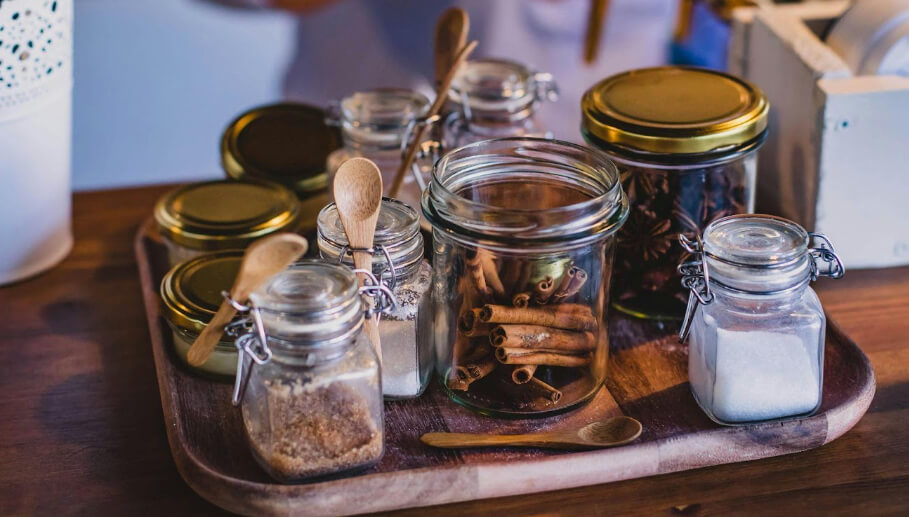
To preserve freshness, store za’atar in an airtight container away from heat and light. Because it contains sesame seeds and herbs, proper storage is key to maintaining flavor and aroma.
Why Za’atar Belongs in Your Kitchen
Za’atar is one of those rare blends that works for any time of day, any cuisine, and any level of cooking skill. Once it becomes part of your routine, it quickly becomes irreplaceable.
If you like what you read, then try it out: