What Is Sumac?
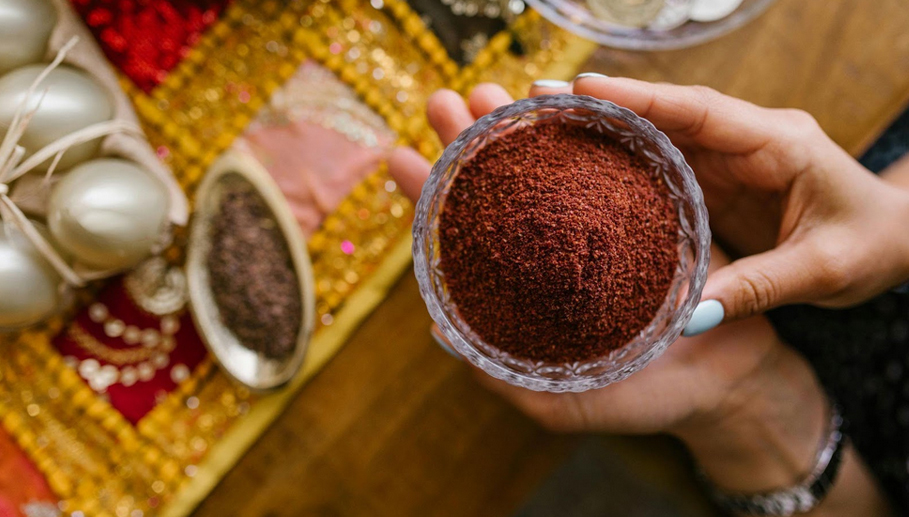
Sumac is one of the most essential yet misunderstood spices in Middle Eastern cooking. Made from the dried berries of the Rhus coriaria plant, sumac delivers natural acidity in a powdered form. Once harvested, the berries are dried, deseeded, and ground into a vibrant crimson spice that adds brightness without liquid. Think of sumac as lemon’s dry, more aromatic cousin — bold, balanced, and incredibly versatile.
What Does Sumac Taste Like?
Sumac is tangy and citrus-forward with subtle fruity undertones. Its acidity is clean and refreshing rather than sharp. Unlike vinegar or lemon juice, sumac enhances flavor without overpowering a dish or altering texture, making it ideal for finishing foods.
How Sumac Is Harvested and Made
Quality sumac begins in the field. The berries are harvested at peak ripeness when their color is deep red. They are then carefully dried, sifted, and ground. High-quality sumac should be aromatic, vibrant, and slightly coarse. A dull brown color or dusty texture often signals age or poor handling.
Is Sumac Safe to Eat?
Culinary sumac should not be confused with poison sumac, a completely different plant species found in North America. Edible sumac (Rhus coriaria) has been used safely in cooking for centuries when sourced from reputable producers.
How Sumac Is Used Traditionally
In Middle Eastern kitchens, sumac is not an afterthought — it’s a staple. It’s sprinkled generously over fattoush salad, mixed into onions for shawarma, used as a finishing spice for grilled meats, and scattered over hummus, labneh, and eggs. Sumac is typically added at the end of cooking to preserve its brightness.
Modern Ways to Cook With Sumac
Sumac fits seamlessly into modern cooking. Try it on roasted vegetables, avocado toast, eggs, popcorn, or roasted nuts. Use it as part of a dry rub for chicken, fish, or lamb, or stir it into yogurt or vinaigrettes for instant depth. For best results, add sumac after cooking rather than during high heat.
Why Chefs Reach for Sumac
Professional cooks rely on sumac because it solves a common problem: balance. It cuts through richness without saltiness, adds complexity without heat, and layers flavor rather than masking it. It’s the kind of spice that quietly makes everything taste better.
How to Store Sumac for Maximum Flavor
To preserve sumac’s brightness, store it in an airtight container away from heat, light, and moisture. Avoid sprinkling it directly over steaming pots. Fresh sumac should smell tangy and vibrant — if the aroma is faint, the flavor will be too.
Why Sumac Belongs in Every Pantry
Sumac isn’t trendy — it’s timeless. Once you understand how it works, it becomes instinctive to use. It’s the finishing touch that transforms good food into memorable food, one pinch at a time.
If you like what you read, then try it out:
Pure Jordanian Sumac